

Article Content: Pre Workout Egypt Guide: What It Is and How to Use It

Pre workout Egypt: what it really does
Pre-workout is one of the most popular supplements in the gym because it can make training feel easier to start. On a tired day, it can help you feel more awake, more focused, and more ready to push hard sets. That’s the real reason people buy it.
But pre-workout also causes the most confusion. Some people expect it to build muscle by itself. Others think it’s dangerous. The truth is in the middle: pre-workout can be useful, but only when you understand what’s inside and how to use it safely.
This pre workout Egypt guide is written for normal gym people. Beginners, busy workers, students, anyone who wants a clear plan. No hype, no scary talk. Just the facts you can use today.
By the end of this guide, you will know:
what pre-workout is meant to help with (and what it can’t do)
the main ingredients you’ll see on labels and what they actually do
how to take it so you don’t mess up your sleep or your stomach
how to choose a product using a simple label checklist
Let’s start with the biggest point.
Pre-workout is not a replacement for sleep, food, or a training plan.
If you sleep 4 hours, eat randomly, and train without structure, pre-workout won’t fix that. It might help you feel “up” for a session, but it won’t create results on its own.
What it can do is support effort. If your training plan is good, pre-workout can help you show up with better energy and focus. That can mean:
better quality sets
less time wasted between sets
more consistency on days you normally skip
Most pre-workouts are built around a few core ingredients (especially caffeine). The NIH Office of Dietary Supplements has a helpful overview of common performance supplement ingredients and basic safety context, which we’ll reference in this guide.
https://ods.od.nih.gov/factsheets/ExerciseAndAthleticPerformance-Consumer/
If you want to browse options while reading, open the shop and look at the pre-workout section, then come back to match the label to what you learn here:
https://formastoreegypt.com/shop
Pre-workout in plain English (what it does and what it doesn’t)
Pre-workout is basically a training support drink. Most of the time it does two main jobs:
Wakes you up and helps focus (mainly from caffeine)
Helps your workout feel easier to push through (better energy, better drive)
That’s it. If you keep your expectations realistic, pre-workout can be a useful tool.
What pre-workout can help with
1) Starting the workout
On low-energy days, the hardest part is turning up. Pre-workout can help you feel switched on, so you actually begin.
2) Focus during training
Many people feel less distracted, so they stick to the plan and waste less time.
3) Short-term performance
You might feel like you can push harder sets, keep your intensity up, or reduce how “heavy” the session feels.
The NIH Office of Dietary Supplements has a practical overview of performance supplements and how ingredients like caffeine are commonly used. (https://ods.od.nih.gov/factsheets/ExerciseAndAthleticPerformance-Consumer/)
What pre-workout cannot do
1) It won’t build muscle by itself
Muscle comes from training + food + recovery. Pre-workout only supports how you feel during the session.
2) It won’t replace sleep
If you’re tired, pre-workout can hide that for a bit, but sleep debt will catch up. Also, late caffeine can wreck your sleep, which hurts progress.
3) It won’t fix a bad programme
If you don’t have a clear plan, you’ll just feel “amped” while doing random exercises.
A simple rule that keeps you safe
If you’re using pre-workout to survive every workout, that’s a sign to fix basics first:
sleep
meals
training plan
hydration
Pre-workout should be a helper, not a crutch.
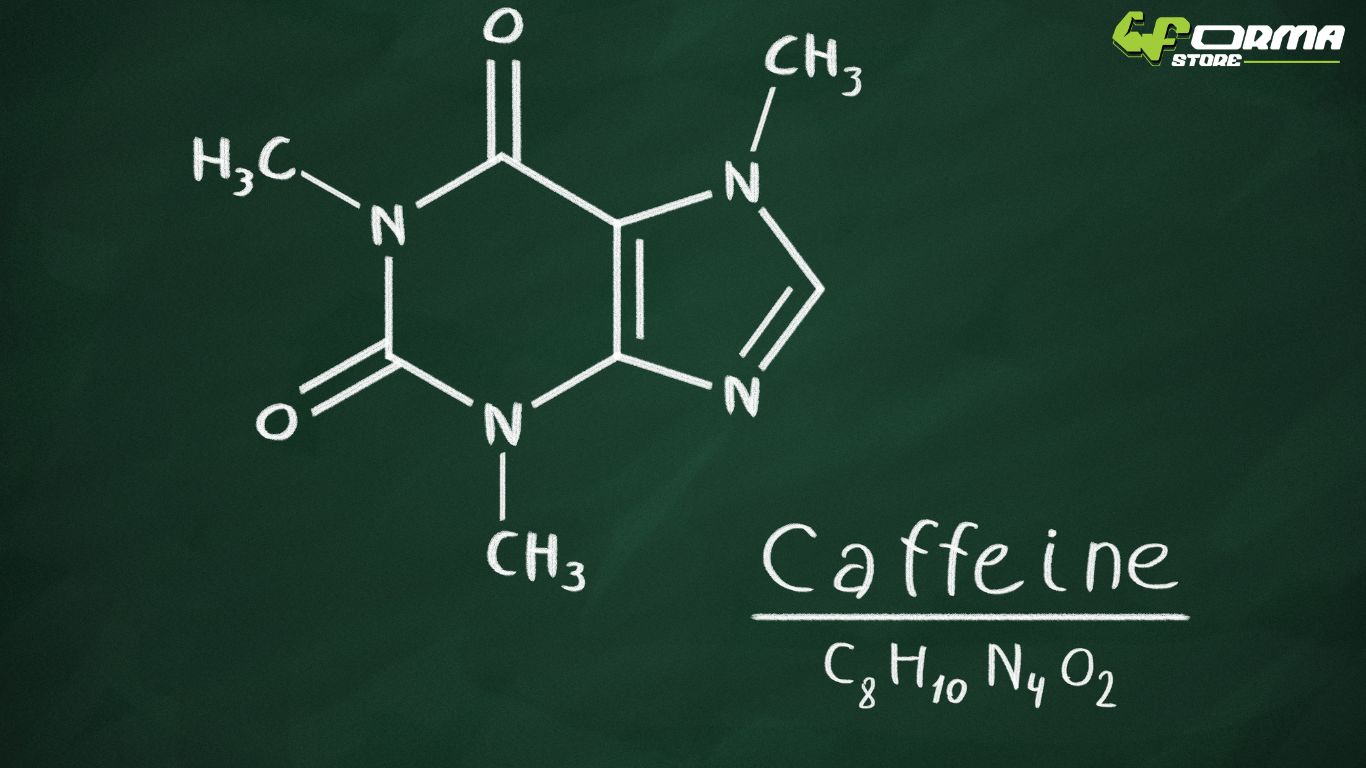
What’s inside most pre-workouts (top ingredients)
Most pre-workouts look different on the front label, but inside they usually repeat the same few ingredients. Once you know these, you can read any label in under a minute and understand what you’re buying.
1) Caffeine (the main driver)
Caffeine is the ingredient that gives most pre-workouts their “kick”. It can help you feel:
more awake
more focused
more ready to train hard
What to check on the label
Look for caffeine listed as mg per serving (example: 150 mg, 200 mg, 300 mg).
If the label hides caffeine inside a blend and doesn’t show mg, that’s a red flag.
Beginner rule
Start low. If you don’t drink coffee daily, a high-caffeine pre-workout can feel too strong.
The NIH Office of Dietary Supplements includes caffeine and other performance ingredients in its overview, which is useful for basic safety context and realistic expectations.
https://ods.od.nih.gov/factsheets/ExerciseAndAthleticPerformance-Consumer/
2) Citrulline (the “pump” ingredient)
Citrulline is used because it can support blood flow during training. Many people link it with:
better pump
better training feel during high-rep work
Label tip:
You’ll often see L-citrulline or citrulline malate.
3) Beta-alanine (the tingles)
Beta-alanine is famous because it can cause a harmless skin tingling feeling (often on the face, neck, or arms). People sometimes think this means it’s “working”, but it’s just a normal effect of the ingredient.
Label tip:
If you hate tingles, pick a product with less beta-alanine or avoid it.
4) Creatine (sometimes included)
Some pre-workouts include creatine. It’s not a problem, but it can confuse people.
Important:
Creatine works best when taken daily, not only on training days.
If your pre-workout has creatine but you only use it 3–4 times a week, you may not be getting the full creatine benefit.
If you want a simple daily creatine plan, you can keep creatine separate and take it every day. Our creatine monohydrate page is a good place to start:
https://formastoreegypt.com/product/creatine-dy
5) “Extras” that may or may not matter
You may also see things like:
taurine
tyrosine
B vitamins
electrolytes
herbal stimulants
Some people like these, but they’re not the core reason most pre-workouts work. The core is usually caffeine + pump ingredients, plus beta-alanine for that training feel.
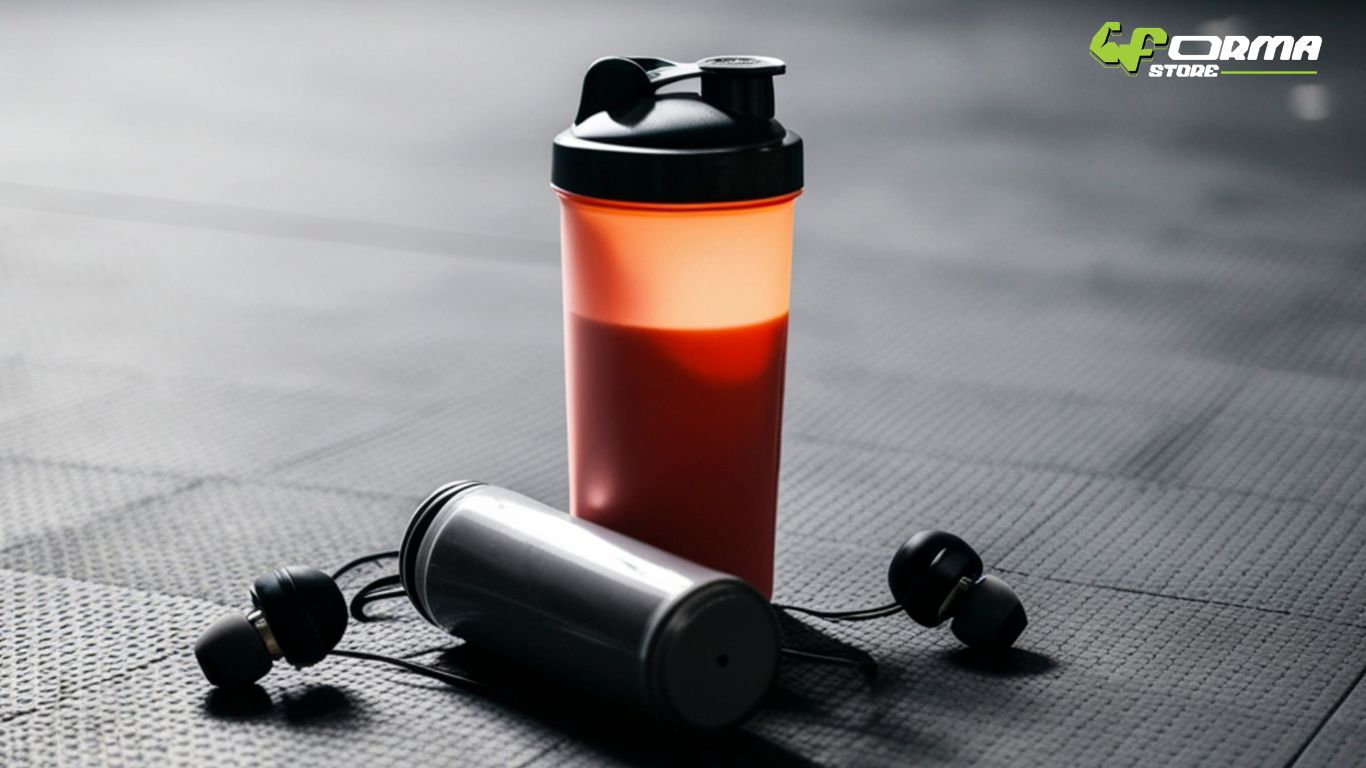
How to take pre-workout (timing and dose)
This is the part that keeps pre-workout helpful instead of messy. With pre workout Egypt shoppers, the biggest problems are always the same: taking too much, taking it too late, and guessing the caffeine.
1) Timing: take it 20–40 minutes before training
Most pre-workouts are designed to be taken before the session so the key ingredients (especially caffeine) kick in during the workout.
A simple timing rule:
Take it 20–40 minutes before you start training.
If you train very early and hate drinking anything heavy, take it 15–20 minutes before.
2) Start with half a serving (especially if you’re new)
If you’re a beginner, do not start with a full scoop just because the label says so.
Start like this:
Day 1–3: half serving
Day 4+: move up only if you feel fine
This avoids the classic first-time problems: racing heart feeling, feeling too “wired”, stomach discomfort, and a crash later.
3) Caffeine rule: don’t ruin your sleep
Caffeine can help training, but it can also destroy sleep if you take it late. Bad sleep leads to worse training and worse results, so this matters.
A safe habit:
Avoid pre-workout within 6–8 hours of bedtime.
Example:
If you usually sleep at 12:00 am, try not to take pre-workout after 4:00–6:00 pm.
If you train late, you’re usually better with:
a lower-caffeine option
or skipping pre-workout and using water + music + a good warm-up
The NIH Office of Dietary Supplements has general guidance and context on performance supplements and common ingredients like caffeine.
https://ods.od.nih.gov/factsheets/ExerciseAndAthleticPerformance-Consumer/
4) Don’t stack it with coffee by accident
This catches a lot of people.
If your pre-workout has caffeine and you also drink:
a big coffee
energy drinks
cola
…you can easily end up with way more caffeine than you planned.
Simple fix:
On pre-workout days, reduce coffee or keep it earlier in the day.
5) If it upsets your stomach, change these first
Most stomach issues come from:
too much powder at once
taking it on an empty stomach
chugging it fast
Try this:
use half serving
drink it slowly
take it after a small snack (banana, yoghurt, toast)
6) Mixing tip (so you actually drink it)
Pre-workout can be too strong if you mix it in a tiny cup.
Do this instead:
mix it in 300–500 ml water
shake well
sip for 5–10 minutes
A shaker bottle makes mixing smoother and keeps it simple on busy days.
https://www.formastoreegypt.com/product/protein-shaker-bottle-500ml-bpa-free-lightweight-with-mixing-ball
Side effects and who should avoid pre-workout
Pre-workout can be helpful, but it’s also the supplement most likely to cause problems if you use it carelessly. Most issues come from too much caffeine, taking it too late, or stacking stimulants without realising.
Common side effects (and how to fix them)
1) Jitters, shaky hands, “wired” feeling
This is usually too much caffeine for your tolerance.
Fix:
drop to half a serving
don’t combine it with coffee/energy drinks
choose a lower-caffeine option next time
2) Fast heartbeat feeling
This can happen if:
you’re new to caffeine
you took a full serving too soon
you trained dehydrated
Fix:
reduce dose
drink water before training
avoid pre-workout on days you feel anxious or stressed
3) Stomach discomfort or nausea
Common causes:
taking it on an empty stomach
chugging it fast
strong flavours + sweeteners
Fix:
take it after a small snack
sip it over 5–10 minutes
use more water (300–500 ml)
4) Tingling skin (beta-alanine)
This is the classic “pre-workout tingles”. It can feel strange, but it’s usually harmless.
Fix (if you hate it):
use half serving
pick a product with less beta-alanine
5) Bad sleep
This is the one that ruins progress the most.
Fix:
don’t take pre-workout within 6–8 hours of bedtime
if you train late, skip it or go low-caffeine
The NIH Office of Dietary Supplements has a good overview of common performance supplement ingredients and basic safety context, including stimulants like caffeine.
https://ods.od.nih.gov/factsheets/ExerciseAndAthleticPerformance-Consumer/
Who should avoid pre-workout (or speak to a doctor first)
Avoid stimulant pre-workouts unless a doctor says it’s okay if you have:
heart problems, high blood pressure, or chest pain history
anxiety or panic attacks that are triggered by caffeine
sleep problems you’re already struggling with
you’re pregnant or breastfeeding
you’re under 18
Also be careful if you take medicines that interact with stimulants.
Simple safety checklist (easy rules)
If you want to use pre-workout safely:
start with half a serving
check the label for caffeine mg
don’t stack with coffee or energy drinks
don’t take it late (protect your sleep)
stop using it if it makes you feel unwell
How to choose a pre-workout in Egypt (label checklist)
If you want to buy pre workout Egypt products without wasting money, don’t choose by the front label. Choose by the back label. The front is marketing. The label tells you what you’re really taking.
Here’s the simple checklist.
1) First check: does it show caffeine in mg?
Caffeine is the main ingredient that changes how you feel. So you need the number.
Look for:
Caffeine: 150 mg / 200 mg / 300 mg per serving
Be careful with:
“energy blend” or “proprietary blend” where caffeine is hidden
labels that don’t show caffeine amount clearly
If you’re a beginner, lower caffeine usually means a better first experience. High caffeine sounds cool, but it’s also the fastest way to get jitters and bad sleep.
2) Second check: does it match your training time?
This is a real Egypt-life problem. Many people train late.
If you train late afternoon or evening:
choose lower caffeine
or choose a product designed for late training (less stimulant)
Your sleep is part of your progress. A strong pre-workout at 8 pm can ruin your night, and then your next workout is worse.
3) Third check: does it list the key “pump” ingredients clearly?
If you care about pump and training feel, look for clear naming like:
L-citrulline or citrulline malate
beta-alanine (only if you’re okay with tingles)
What you want:
ingredients listed clearly
no mystery blend that hides the doses
4) Fourth check: avoid the “too many stimulants” trap
Some pre-workouts combine caffeine with extra stimulants. That can feel too strong, especially if you also drink coffee.
If you already drink coffee daily:
choose a moderate caffeine pre-workout
don’t double-stack caffeine
5) Fifth check: serving size and scoops
Some products look “normal” but the serving size is:
2 scoops
or a big scoop with huge caffeine
So check:
“1 serving = how many scoops?”
caffeine per serving
and caffeine per scoop if you plan to use half servings
6) The smart beginner choice (simple rule)
If you’re new to pre-workout, pick a product that lets you start gently:
clear caffeine number
easy to do half servings
no hidden blends
Then start with half a serving for the first few sessions and build from there only if you feel fine.
If you want to compare pre-workout options right now, open the shop page, click into a few products, and use this checklist against the labels before you decide.
https://formastoreegypt.com/shop
Beginner-friendly routine (first week plan)
If you’re new to pre workout Egypt supplements, don’t jump in with a full scoop and hope for the best. The smart move is to test it like a routine, so you get the benefits without jitters, stomach problems, or bad sleep.
Here’s a simple 7-day plan that works for most beginners.
Day 1: Test day (half serving only)
Take half a serving 20–40 minutes before training.
Mix it with 300–500 ml water.
Sip it over 5–10 minutes (don’t chug).
What to look for:
Do you feel more awake and focused?
Any stomach discomfort?
Any heavy jitters?
If you feel “too wired”, stay on half servings. That is a win, not a failure.
Day 2–3: Repeat half serving
Do the same half serving again on your next 1–2 workouts.
Why this matters:
Your body learns what “normal” feels like on that product.
You can tell if the first day was just nerves or a real reaction.
Day 4: Only increase if you truly need it
If you felt good on half serving and you want a bit more push:
go to ¾ serving (not full yet)
If you train late, don’t increase. Protect your sleep first.
Day 5–7: Set your “normal” dose
By the end of the week, you should have a dose that feels:
focused
steady
not jittery
not messing with sleep
For many people, that dose is:
half serving or ¾ serving
A lot of beginners never need a full scoop. Full scoop is for people with higher caffeine tolerance, not for everyone.
The “sleep-safe” rule (don’t break this)
Avoid pre-workout within 6–8 hours of bedtime.
If you train late evening, you have better options than heavy caffeine:
use a lower dose (half serving)
train with water + music + a longer warm-up
save pre-workout for earlier sessions
The NIH Office of Dietary Supplements gives useful context on performance supplements and ingredients like caffeine, which is the main reason pre-workouts feel strong.
https://ods.od.nih.gov/factsheets/ExerciseAndAthleticPerformance-Consumer/
Make the routine easy to keep
Pre-workout works best when it’s simple:
keep your scoop consistent
mix it properly
drink enough water
If you want mixing to be quick and smooth, using a shaker bottle helps a lot.
https://www.formastoreegypt.com/product/protein-shaker-bottle-500ml-bpa-free-lightweight-with-mixing-ball
FAQ: pre workout Egypt (tingles, coffee, tolerance, and how often)
Is pre-workout safe?
For most healthy adults, pre-workout can be used safely when you:
start with a low dose
check caffeine in mg
don’t take it late and ruin sleep
The NIH Office of Dietary Supplements has a helpful overview of exercise/performance supplements and common ingredients like caffeine.
https://ods.od.nih.gov/factsheets/ExerciseAndAthleticPerformance-Consumer/
Why do I get tingles?
That tingling feeling is usually from beta-alanine. It can feel weird, but it’s commonly harmless.
If you hate it:
use half a serving
pick a pre-workout with less beta-alanine
Can I take pre-workout with coffee?
You can, but be careful. The problem is not mixing drinks. The problem is stacking caffeine without realising.
If you take pre-workout, keep coffee:
earlier in the day
smaller than usual
Or skip coffee on pre-workout days.
How often should I use pre-workout?
Many people do best using it 3–4 times per week, not every single day. This helps avoid building a high tolerance.
If you use it daily:
you may need more to feel the same effect
sleep can suffer if you start relying on it
A smart approach:
save it for heavy training days (legs, big compounds)
skip it on lighter days
What if I feel a crash after training?
A crash usually means:
the caffeine dose was too high
you trained hard with low food and low water
you took it too late and your body is tired
Fix:
reduce dose next time
drink water during the day
eat a proper meal after training
Can I take pre-workout while cutting?
Yes. But cutting can make you more sensitive to stimulants.
If you’re cutting:
start with half servings
don’t take it late
don’t rely on it to “force” workouts when you’re exhausted
Should I take it every workout to get results?
No. Results come from consistent training and recovery. Pre-workout is just a helper for energy and focus.
If you’re building a simple stack, many people pair:
pre-workout for training energy
creatine daily for strength support
protein to hit daily intake
You can view our creatine monohydrate page if you want a simple daily creatine routine alongside training days.
Wrap-up: pre workout Egypt (the safe way to use it)
If you want the simple version of pre workout Egypt shopping and use, do this:
Pick a pre-workout with clear caffeine in mg (no hidden blends).
Take it 20–40 minutes before training.
Start with half a serving for your first week.
Avoid using it within 6–8 hours of bedtime so your sleep stays strong.
Don’t stack it with coffee or energy drinks by accident.
Pre-workout is a helper for energy and focus. It won’t replace sleep or a good training plan, but it can make it easier to show up and push hard on the days you need it.
To compare options, open the shop and use the label checklist from this guide (caffeine mg, serving size, and main ingredients):
https://formastoreegypt.com/shop
If you want to build a simple routine around training days, pairing pre-workout with daily creatine is a common, easy approach. You can view our creatine monohydrate page here:
https://formastoreegypt.com/product/creatine-dy
For smoother mixing and an easier daily habit, use a shaker bottle:
https://www.formastoreegypt.com/product/protein-shaker-bottle-500ml-bpa-free-lightweight-with-mixing-ball
External source used for safety context and common ingredients:
https://ods.od.nih.gov/factsheets/ExerciseAndAthleticPerformance-Consumer/